Two days after we hosted our 305 Hive Health and Wellness event in January 2025, I received news that changed my life: I was diagnosed with Usher syndrome, a genetic condition that affects vision, hearing, and balance.
What is Usher Syndrome?
Usher syndrome (USH) is the most common genetic cause of combined deafness and blindness. It’s rare, affecting an estimated 25,000 people in the U.S. and over 400,000 worldwide. There are three clinical types:
- Type 1: Profound deafness at birth, balance issues, and progressive vision loss.
- Type 2: Moderate to severe hearing loss at birth and progressive vision loss.
- Type 3: Later onset of progressive hearing and vision loss.
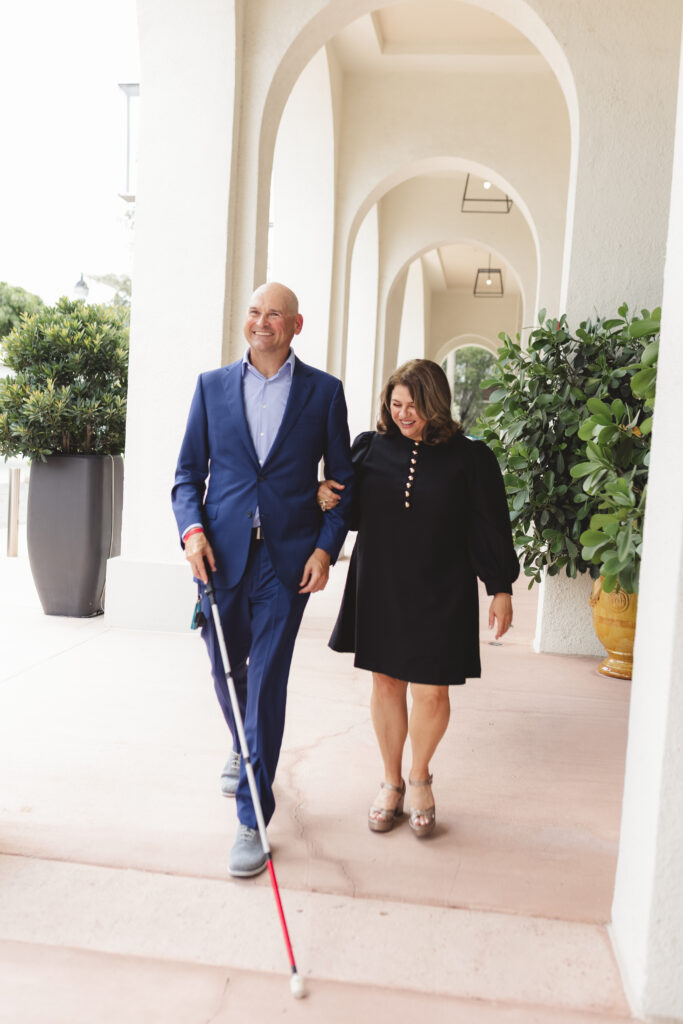
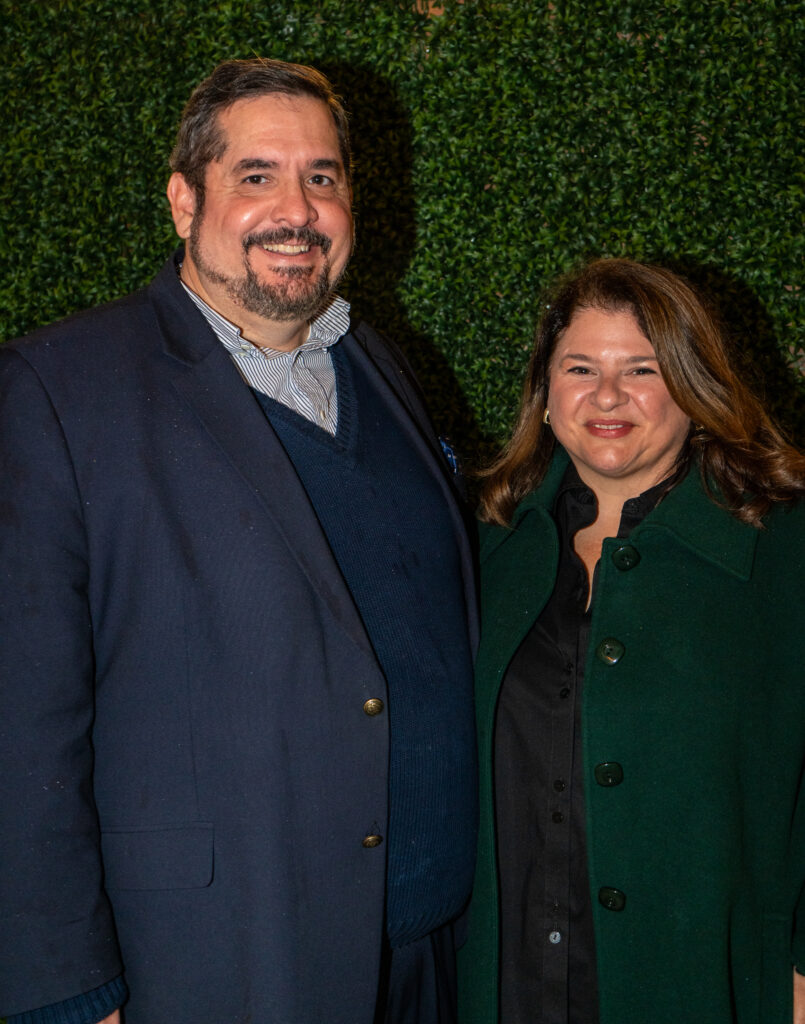
My brother Michael was diagnosed with Usher syndrome nearly 20 years ago. Both of us now live with Retinitis Pigmentosa (RP), a degenerative disease that causes night blindness and tunnel vision. I’ve shared articles and stories in the Hive before about RP and about my brother, not realizing that I too had Usher syndrome.
How Did It Take So Long to Find Out?
That’s a longer story I’ll share another time. But what I’ve learned is that the brain is powerful, it adapts. My brother once gave me a perfect analogy: imagine driving with a mud-covered windshield. When you clear a small spot, your brain learns to focus on that space. Over time, you adjust without even realizing your field of vision has narrowed.
Looking back, I had signs such tripping, bumping into things, difficulty in dark rooms, but they were explained away: LASIK side effects, age, or just being clumsy. For years I asked my Ophthalmologist to check given my family history, and was told that I didn’t have it. Eventually, I sought a second opinion from Dr. Byron Lam at Bascom Palmer, and received the diagnosis which was further confirmed with a genetic test.
Coming to Terms
At first, my instinct was to keep this private. I worried: How would people react? Would it affect my business? Would friends treat me differently? Would my tennis team still want me? But over time, I realized hiding it wasn’t the answer. Usher syndrome isn’t something I “caught.” It’s who I’ve always been. The only difference is now I know — and now you know.
I still run 305 Hive® Media, I still play tennis (don’t ask me to try padel as the balls coming sideways would be a problem!), and I still love connecting this community. Some days my vision feels manageable; other days it’s a challenge. But I’ve adapted slowly over time, and I will continue to adapt.
Why I’m Sharing
Because sharing creates understanding. Most people think blindness is binary “all or nothing” but the truth is that most people who are blind still have some vision or light. Disabilities exist on a spectrum, and the more we talk about that, the more compassion and awareness we build.
So if you see me out and I don’t wave, or if I bump into you, please know I’m doing my best. My brain is working overtime just to process my surroundings. I want to keep the Hive what it has always been — a positive, uplifting place built for Miamians— but from time to time I’ll share about this journey too.
Resources
If you’d like to learn more about Usher syndrome or vision loss or get involved in supporting research and advocacy, here are some wonderful organizations:
- Usher Syndrome Coalition
- Usher Syndrome Society
- Miami Lighthouse for the Blind
- Foundation Fighting Blindness
Join Me at Blindish in Miami
I’ve launched a new platform, Blindish in Miami, where I’ll be sharing more about life with Usher syndrome: the challenges, the adaptations, and the hope.
👉 Follow along at:
- Website: BlindishInMiami.com
- Instagram: @BlindishInMiami
- Facebook: @BlindishInMiami

Thank you for being the best part of the Hive. Thank you for opening your inbox and your heart to learn, connect, and support. The Hive will always keep buzzing with positivity and community. 💛🐝 — Samantha